One Bad Tweet Away: How Americans Are Breaking Up With Brands Forever
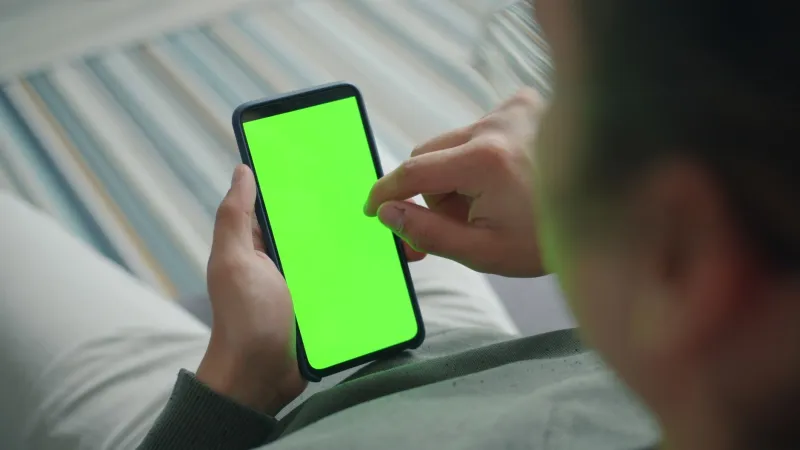
There's a particular kind of satisfaction that comes from hitting "unfollow." Not just muting — actually unsubscribing, unfollowing, deleting the app, and maybe even posting about it. It's messy, it's public, and for a growing number of Americans, it's become almost ritualistic.
Call it the Great Unsubscribe. Call it consumer rage in its purest digital form. Whatever you call it, brands are starting to sweat — because once a customer walks out that door with a grievance and a screenshot, they rarely come back.
The Last Straw Is Never Really the Last Straw
Here's the thing about these dramatic brand breakups: they almost never happen in a vacuum. When someone rage-quits a company over a single tweet or a poorly worded Instagram caption, it looks sudden. But psychologists who study consumer behavior will tell you that the fuse had been burning for a while.
Think of it like a relationship. Nobody ends a five-year partnership because someone forgot to replace the toilet paper roll — once. But if the toilet paper thing happens every single week for two years, and there's also the dishes, and the passive-aggressive comments, and that one Thanksgiving... yeah. The toilet paper roll ends it.
Brands have been quietly accumulating those grievances for years. A price hike here. A data breach there. A CEO who said something tone-deaf in an interview that you kind of let slide because you really loved the product. It stacks. And when the final trigger comes — a controversial celebrity endorsement, a fumbled response to a social issue, a loyalty program that suddenly got way worse — people don't just leave quietly. They announce it.
The Public Exit Is the Point
Social media didn't just change how we consume brands — it changed how we leave them. The public unsubscribe is its own genre of content now. TikTok is full of "why I'm done with [brand]" videos racking up millions of views. Twitter threads dissecting a company's moral failures spread faster than the original offense ever did. Reddit communities dedicated to specific brand boycotts operate like fully staffed newsrooms.
And here's what makes it different from the old-school boycott: it's personal. When someone films themselves cutting up a credit card or returning a pile of merchandise, they're not just protesting — they're performing an identity shift. They're telling their audience, I am not the kind of person who supports this anymore. The brand becomes a character in their personal narrative, and leaving it becomes a plot point.
For companies, this is catastrophic in a way that traditional PR crises weren't. Bad press used to fade. A news cycle moved on. But a well-edited TikTok of someone ceremonially deleting an app can resurface six months later, two years later, every time the brand does something new. The internet archives the breakup forever.
Celebrity Collateral Damage
It's not just corporations taking the hit. Celebrities and influencers — who've spent years carefully cultivating brand partnerships and parasocial relationships with fans — are discovering that their audiences have the same breakup energy.
The parasocial relationship is a strange and powerful thing. Fans invest real emotional energy into the idea of who a celebrity is. When that image cracks — an offensive joke, a political statement that lands wrong, a leaked conversation — the betrayal feels genuine. Because to the fan, in a very real psychological sense, it is genuine.
What's fascinating is how quickly the tide turns. Someone with 20 years of goodwill can watch their comment sections curdle overnight. The same fans who defended them last month are now leading the charge. Loyalty in the parasocial economy is real, but it's also remarkably fragile — and the brands that have built their marketing strategies around celebrity association are learning this the hard way.
The Irreversibility Problem
Here's what nobody in a boardroom wants to admit: most of these people aren't coming back.
There's solid research suggesting that once a consumer makes a public declaration of brand abandonment, they're far less likely to return than someone who quietly drifted away. The public exit creates a kind of social accountability. You told your followers you were done. You made it part of your identity. Coming back now means explaining yourself — and most people would rather just stay gone.
This is the part that should genuinely terrify brand managers. Customer acquisition costs are brutal. It costs significantly more to win a new customer than to keep an existing one. When loyal, long-term customers — the ones who've been evangelizing your product to their friends for years — become your most vocal critics, the math gets ugly fast.
Some companies have tried the public apology tour. It works occasionally, usually when the response is fast, specific, and doesn't read like it was written by a committee of lawyers. But in most cases, the apology just becomes more content for the outrage cycle. It extends the story rather than ending it.
What Actually Comes Next
So what does happen after the mass unsubscribe? A few things, depending on the brand.
Smaller companies sometimes don't survive it. A mid-size DTC brand with a cult following can see sales crater within weeks of going viral for the wrong reasons, and without the financial cushion of a major corporation, there's no recovery runway.
Larger companies tend to weather it — but they carry the scar tissue. Their audience demographics shift. The people who stay are often more ideologically aligned with whatever position caused the exodus, which can create an echo chamber effect that makes future missteps more likely. It's a weird feedback loop.
And then there are the brands that quietly retool. They don't make a big announcement. They change their messaging, swap out their spokespeople, restructure their loyalty programs, and hope the algorithm buries the drama. Sometimes it works. Sometimes a single Reddit post brings it all back up two years later.
The Power Shift Nobody Saw Coming
If there's a bigger story underneath all of this, it's about power. For most of consumer history, brands held the cards. They controlled the narrative, the advertising, the story of what their product meant. Consumers could vote with their wallets, but quietly — there was no megaphone.
Social media handed everyone a megaphone. And it turns out, when ordinary people can broadcast their dissatisfaction to thousands of followers instantly, the entire dynamic changes. The corporation that once seemed untouchable is suddenly scrambling to respond to a 22-year-old's TikTok.
That's not going away. If anything, the next generation of consumers — people who grew up watching their favorite brands get publicly dismantled in real time — are going to be even less forgiving. They've seen how it's done. They know the playbook.
One bad tweet. One fumbled response. One moment where the mask slips.
That's all it takes now.