Loyalty Is Dead: How Brands Burned Their Best Customers and Why Nobody's Coming Back

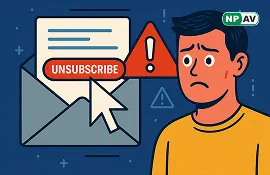
Photo: frustrated person unsubscribing from email on laptop, via cdn.pixabay.com
There's a particular kind of satisfaction that comes from unsubscribing from a brand you once loved. It's not quite anger, not quite grief — it's something closer to relief. Like finally returning a phone call you'd been dreading for months. Millions of Americans are feeling exactly that sensation right now, and the companies on the receiving end of those unsubscribe clicks are only just starting to understand the scale of what they've lost.
Customer loyalty, once the holy grail of modern marketing, is quietly going extinct. And the brands responsible? They mostly didn't see it coming.
The Loyalty Myth That Marketers Believed Too Long
For decades, the conventional wisdom in marketing was simple: acquire customers young, keep them happy enough, and they'll stick around. Brand loyalty was treated almost like a renewable resource — something you could draw from indefinitely as long as you didn't do anything too egregious.
That assumption has aged about as well as a MySpace profile.
"There was this idea that switching costs were high enough to keep people in place," says one behavioral economist who consults for mid-size retail brands. "But switching costs have collapsed. You can cancel a subscription in 30 seconds, find a competitor in two minutes, and tell 800 followers about it before dinner."
The internet didn't just make it easier to shop around — it made disloyalty socially acceptable. Even aspirational. Walking away from a brand that wronged you isn't just a personal decision anymore. It's a statement.
The Breaking Points Nobody Warned Companies About
Ask Americans why they finally pulled the plug on a brand they'd used for years, and you'll hear a surprisingly consistent list of grievances. Price hikes show up constantly — but rarely alone. It's almost never just the price.
It's the price hike combined with the email that arrived the same week, cheerfully announcing a new "premium experience" that somehow costs more and delivers less. It's the customer service chatbot that runs you in circles for 45 minutes before offering a $5 coupon. It's the loyalty rewards program that quietly devalued your points without telling you. It's the Instagram ad that feels like it was written by someone who has never met an actual human being.
Marketing consultant Renée Okafor, who works with direct-to-consumer brands in the Midwest, describes it as "the accumulation effect." Individual annoyances don't break loyalty on their own. They stack. And then one day, one relatively minor thing tips the whole pile over.
"I've talked to customers who left a brand they'd used for eight years because of a single email subject line," Okafor says. "On the surface it looks irrational. But that email was just the last straw on a pile that had been building for two years."
Boycott Culture Grew Up — And Got Organized
There's also something bigger happening beyond individual frustration. Boycott culture in America has matured significantly in the last five years. It used to mean a few weeks of bad press before everyone moved on. Now it means coordinated, sustained consumer withdrawal — sometimes organized through Reddit threads, sometimes through TikTok callouts, sometimes just through word of mouth that spreads faster than any PR team can contain.
What's striking is how quickly a brand moment can become a brand crisis. A tone-deaf campaign, a CEO's poorly worded tweet, a price increase that gets screenshot-shared across social media — any of these can trigger a consumer exodus that the company's marketing budget simply can't reverse.
"Brands used to be able to spend their way out of bad press," notes one digital strategist who asked to remain anonymous. "Run a feel-good campaign, partner with a charity, wait it out. That playbook doesn't work anymore. People remember. And more importantly, the algorithm remembers for them."
The data backs this up. Consumer trust surveys from the past three years show consistent declines across retail, streaming, food delivery, and subscription services. Younger consumers — millennials and Gen Z especially — report lower brand attachment scores than any previous generation. They're not loyal to brands. They're loyal to experiences. And the moment the experience slips, they're gone.
What Companies Are Getting Wrong (Almost Everything)
So what exactly are brands doing that's so catastrophically off-base? A few patterns keep emerging.
Over-communication that says nothing. The average American receives somewhere between 100 and 150 marketing emails per week. Most of them are ignored. But the brands that send three emails in a single day — a sale announcement, a "last chance" reminder, and a guilt-trip follow-up — aren't just ignored. They're resented. Email fatigue is real, and the brands that treat their lists like a firehose eventually get turned off permanently.
Fake personalization. There's a particular kind of cringe that comes from receiving an email that opens with your first name and then proceeds to recommend products you bought two years ago, clearly generated by an algorithm with no memory and less judgment. Consumers have gotten sophisticated enough to recognize the illusion of personalization, and it reads as condescending rather than thoughtful.
Price increases disguised as upgrades. This one might be the most corrosive. When companies raise prices while simultaneously rebranding the same product as a "new and improved experience," customers don't feel upsold — they feel gaslit. The backlash tends to be sharper and more lasting than a straightforward price increase would have generated.
Disappearing customer service. As brands have automated more of their support infrastructure, the actual human experience of getting help has gotten dramatically worse. Chatbots that can't resolve issues, phone trees that lead nowhere, support tickets that go unanswered for days — these aren't just inconveniences. They're loyalty killers.
The Brands That Are Actually Getting It Right
It's not all doom and gloom. A handful of companies have figured out that in a low-loyalty environment, the brands that survive are the ones that make customers feel genuinely seen rather than efficiently processed.
Smaller, direct-to-consumer brands have an advantage here — they can move faster, respond more personally, and build community in ways that big corporations structurally can't. But even some larger brands have managed to hold onto their audiences by doing something radical: being honest. Transparent about price changes, upfront about product issues, direct in their communication without being pushy.
It sounds basic. It is basic. The fact that it stands out so sharply is a testament to how low the bar has gotten.
The Unsubscribe Button Is the New Power Move
Here's what brands are slowly coming to terms with: the unsubscribe button has become one of the most meaningful forms of consumer power in modern life. It costs nothing, takes seconds, and sends a message that no amount of retargeting ads can fully undo.
Americans aren't rage-quitting brands out of impulsiveness. They're doing it because they've finally stopped believing the relationship was ever reciprocal. Companies spent years treating customer loyalty as a given — as something owed rather than earned. The bill for that assumption is coming due, and it's arriving in the form of empty email lists, canceled subscriptions, and customers who've quietly moved on and genuinely don't miss what they left behind.
The brands that figure out how to rebuild that trust — slowly, honestly, without the gimmicks — might have a future. The ones still sending three emails a day about a flash sale? They're already on borrowed time.