Done With You: The Consumer Revolt That's Costing Brands Millions
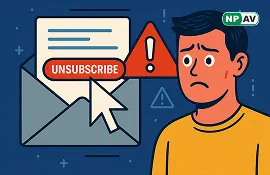
Photo: person angrily unsubscribing from brand email on laptop, via blogs.npav.net
There's a particular kind of satisfaction that comes from unsubscribing from a brand you used to love. It's not quite rage, not quite sadness — it's more like finally taking out the trash after letting it pile up for too long. And right now, millions of Americans are doing exactly that, one unfollow, one block, one "mark as spam" at a time.
Call it the Great Unsubscribe. Call it a loyalty crisis. Either way, brands that spent years building devoted customer bases are watching those relationships evaporate faster than a flash sale on a Friday afternoon.
From Fan to Former Fan in One News Cycle
Here's the thing about modern consumer loyalty: it's incredibly fragile. A decade ago, a company could weather a PR storm with a carefully worded press release and a coupon code. That playbook is officially dead.
Today, a single misstep — a poorly timed social post, an executive's controversial opinion, a price hike disguised as a "packaging update" — can trigger a mass exodus that no amount of influencer partnerships can reverse. The timeline from beloved brand to cancelled brand has shrunk from months to literal hours.
Just ask anyone who watched a major fast fashion retailer trend on Twitter for all the wrong reasons last spring. Or the beloved snack company that tried to rebrand its mascot and accidentally sparked a three-day culture war. The receipts, as the internet loves to say, are always there.
What Actually Breaks the Camel's Back
Marketing strategist Dana Kowalski, who's worked with consumer packaged goods brands for over fifteen years, puts it plainly: "Consumers have a mental ledger. Every positive experience adds credit, every disappointment is a debit. The problem brands face now is that one big withdrawal can wipe out years of deposits overnight."
So what are those big withdrawals? Turns out, they fall into a few predictable categories.
Shrinkflation without apology. Americans have noticed — and they are furious — that their favorite products are getting smaller while the price stays the same or climbs higher. When brands pretend this isn't happening, or worse, try to spin it as a "new look," the backlash is swift and personal. It feels like being lied to, because it basically is.
Tone-deaf social content. There's a long, painful graveyard of brands that tried to co-opt a social justice moment, a tragedy, or a cultural trend and got it catastrophically wrong. Pepsi's infamous protest ad from 2017 is still the textbook example, but new entries to this hall of shame appear with depressing regularity.
CEO opinions nobody asked for. The era of the invisible executive is over, but that doesn't mean consumers want to hear every hot take from the C-suite. When leadership figures wade into political or social debates — especially on issues that feel misaligned with what the brand supposedly stands for — the unfollows roll in fast.
Data breaches with bad apologies. Nothing says "we don't actually respect you" like a form letter about a data breach that exposed your personal information. Customers who felt violated once rarely give a second chance.
The Unfollow as a Power Move
What's interesting is that the act of unfollowing or unsubscribing has taken on genuine cultural weight. It used to be passive — you just drifted away from a brand. Now it's deliberate. People are posting screenshots of their unsubscribe confirmations. They're announcing brand breakups on TikTok. They're tagging companies directly to explain exactly why they're leaving.
This is consumer behavior as performance, and it's wildly effective at pressuring brands because it's public, it's shareable, and it signals to others that jumping ship is not only acceptable but maybe even the right call.
Rachel Torres, a 34-year-old teacher from Phoenix, described her decision to unfollow a major athleisure brand she'd been shopping with for years. "They raised prices twice in one year, their quality dropped, and then they posted some tone-deaf thing during a news cycle that felt really out of touch. I unfollowed them on Instagram, unsubscribed from their emails, and left a review explaining why. I wanted them to know it wasn't passive — it was a choice."
That distinction matters. Brands used to fear bad reviews. Now they need to fear the deliberate, documented departure.
How Brands Are Scrambling to Keep Up
Some companies are getting smarter about this. The savvier ones have moved away from chasing viral moments and toward what marketing folks are calling "quiet loyalty" — consistent value, honest communication, and the occasional genuine acknowledgment that they screwed up.
Apology culture in corporate America has evolved, too. A boilerplate "we hear you" tweet no longer cuts it. Consumers expect specificity. They want to know what went wrong, what's being fixed, and — critically — what the timeline looks like. Vague promises of "doing better" are about as reassuring as a weather forecast for six months from now.
Some brands are leaning into radical transparency, sharing behind-the-scenes content about supply chains, pricing decisions, and even internal debates. It's a gamble, but for the ones pulling it off, it's rebuilding something that feels more durable than traditional brand loyalty: actual trust.
Others are doubling down on community. Instead of broadcasting at consumers, they're building spaces where customers talk to each other — and to the brand — with real back-and-forth. Discord servers, private Facebook groups, loyalty programs that feel like genuine clubs rather than data harvesting operations.
The Brands That Got It Right (and What They Did)
It's worth noting that some companies have survived major controversies by handling them with uncommon honesty. A regional grocery chain that botched a holiday promotion last year didn't just offer refunds — they published an open letter from the CEO, dropped prices on a core set of staples for two weeks, and held a live Q&A on Instagram where executives answered unfiltered questions. Cringey? A little. Effective? Absolutely.
The brands winning back trust aren't necessarily the ones with the slickest campaigns. They're the ones that make customers feel like they're being treated as adults rather than revenue units.
So What Happens Next?
The consumer revolt isn't slowing down. If anything, as economic pressure continues and Americans grow more selective about where their dollars go, the bar for brand loyalty is only going to get higher.
For brands, the message is pretty clear: you don't get infinite chances anymore. The relationship between a company and its customers has always been transactional at some level, but now the emotional dimension is front and center — and consumers are done pretending otherwise.
For the rest of us? There's something quietly empowering about realizing that the unsubscribe button is one of the most effective tools we have. Use it deliberately. Use it loudly. And maybe — just maybe — brands will finally start acting like they actually need us.
Because they do.