The Quiet Purge: Why Americans Are Secretly Unfollowing Everyone — Including Their Own Friends

Photo: Photograph by Mike Peel (www.mikepeel.net)., CC BY-SA 4.0, via Wikimedia Commons
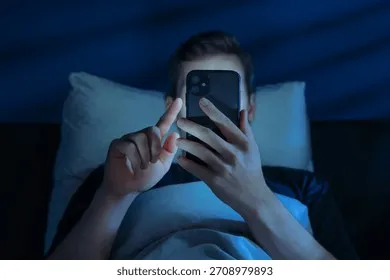
Somewhere between the third post about someone's meal prep routine and the fourteenth unsolicited political opinion from a guy you knew in high school, something snaps. You don't say anything. You don't send a message. You just... tap. And just like that, they're gone from your feed — still technically your "friend," still invited to the wedding, still someone you'd hug at a reunion. But gone, in all the ways that matter online.
Welcome to the era of strategic unfollowing. It's quiet, it's deliberate, and it's happening at a scale that would genuinely surprise most people.
It's Not Ghosting. It's Curating.
There's an important distinction worth making here. This isn't the dramatic, scorched-earth unfollow of years past — the kind that came loaded with meaning, usually following a public fight or a messy falling out. That version was a statement. This new version? It's more like interior decorating.
Americans are increasingly treating their social media feeds the way they treat their physical spaces: with intentionality. Marie Kondo'd their timelines, so to speak. If a post doesn't spark joy — or more accurately, if it sparks low-grade irritation, envy, or just plain exhaustion — it gets quietly removed from the rotation. No announcement. No confrontation. No explanation required.
Psychologists would probably call this a form of boundary-setting, and honestly, that framing holds up. When every scroll session feels like running an emotional gauntlet, the idea of quietly opting out of certain people's content starts to feel less antisocial and more like basic self-preservation.
The Mechanics of the Stealth Unfollow
Here's what makes this trend so interesting from a cultural standpoint: the platforms themselves have made it remarkably easy. Instagram lets you "mute" someone without unfollowing them — the nuclear option is barely necessary anymore. Facebook has a "snooze" feature. TikTok's algorithm does half the work for you without you even asking. The infrastructure for quiet digital pruning has never been more robust.
And people are using all of it. Reddit threads dedicated to this topic get thousands of upvotes. "Is it weird to unfollow a close friend?" is a question that gets asked — and genuinely debated — constantly. The answer the internet tends to land on is some variation of: "It's your feed. You're allowed to control it."
What's shifted is the moral weight of the act. Five or six years ago, unfollowing someone you knew in real life carried a certain social cost. It meant something. Now, the cultural consensus seems to be drifting toward the idea that your attention is yours to allocate however you want — and that withholding it from someone isn't the same as rejecting them as a person.
When the Silence Gets Loud
Of course, it's not always clean. The awkward moment when someone notices is a whole genre of social experience at this point.
You know the scenario. You run into someone at a birthday party or a work happy hour and they mention, with a carefully casual tone, that they noticed you haven't been liking their posts lately. Or worse — they ask directly: "Did you unfollow me?" Suddenly, the tidy little boundary you set from the comfort of your couch is sitting in the middle of a real-world conversation, and you have to decide, in real time, how honest you want to be.
Most people don't say "yes, your content was making me feel bad and I needed it out of my life." They say something vague about the algorithm, which is — let's be real — one of the most useful social lies the internet has ever produced. "Oh, I think Instagram just stopped showing me your stuff" is the new "I didn't get your text."
Why Friends, Though?
The part that surprises people when they first hear about this trend is the target: actual friends. Not random acquaintances. Not brands. Not that one coworker from three jobs ago. Friends.
But when you think about it, it makes complete sense. Acquaintances and strangers don't carry the same emotional load. Unfollowing a brand account is like canceling a magazine subscription. Unfollowing a close friend who posts things that make you feel vaguely terrible about your own life? That's a more complicated calculation.
Envy is a big driver here, and it doesn't respect closeness. In fact, the closer the relationship, the more pointed the comparison can feel. Watching a good friend live what looks like a more successful, more glamorous, more together version of your same life is a specific kind of ache that the mute button was basically invented for.
There's also the overshare problem. Some people love their friends deeply in person but find their social media presence genuinely overwhelming — the constant updates, the opinions on everything, the seven Instagram Stories before 9 a.m. Muting them isn't a rejection of the friendship. It's a rejection of the broadcast.
The New Etiquette Nobody's Officially Written Down
What's fascinating is that American social culture is in the middle of quietly negotiating a whole new set of unspoken rules around this, and nobody's really formalized them yet.
Is it okay to unfollow your best friend if their posts stress you out? (Apparently, yes, as long as you never admit it.) Is muting better than unfollowing? (Generally considered the more polite option.) Should you tell someone if you unfollow them? (Almost universally: no.) Is it different if they're family? (Yes. Much more complicated. Proceed with caution.)
The fact that these questions get asked and seriously debated says something real about where Americans are with social media right now. The honeymoon phase — when following someone felt like a gift and unfollowing felt like a punishment — is long over. What's replaced it is something more pragmatic and, honestly, more honest about what these platforms actually are: not relationships, but streams of content that we choose to let into our lives.
Your Feed, Your Rules
At the end of the day, the quiet unfollow trend is less about any individual relationship and more about a collective renegotiation of how much we owe each other online. The answer a lot of Americans seem to be arriving at is: less than we thought.
You can love someone, want good things for them, and still not want to watch their daily content. Those two things don't cancel each other out. The social media platforms were the ones who told us that following someone was an act of loyalty — turns out, we don't have to buy that framing.
So the next time you tap that mute button on someone whose posts have been quietly ruining your mornings, just know: you're not alone. You're part of a very large, very silent majority who's figured out that curating your digital life isn't rude. It's just smart.