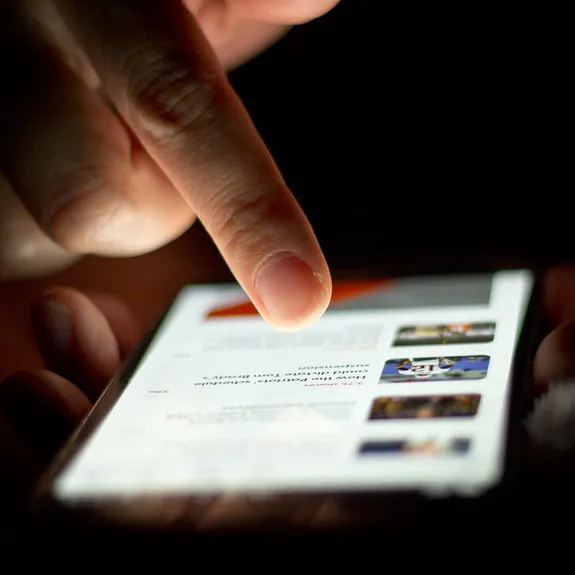
Inbox Zero Is a Lie: How Americans Declared War on Brand Emails

Photo: Jan Vašek, CC0, via Wikimedia Commons
It starts innocently enough. You buy a pair of sneakers online, enter your email at checkout, and think nothing of it. Three days later, you've got a welcome series, a discount reminder, a "we miss you" nudge, a birthday offer (it's not your birthday), and a flash sale alert — all from the same brand. Welcome to the modern American inbox: a place where good intentions go to die and the unsubscribe button has never felt so satisfying to click.
Across the country, consumers are hitting their limit. And they're not just quietly deleting — they're unsubscribing in droves, flagging emails as spam, and downloading apps specifically designed to help them nuke entire lists in one sitting. The great email reckoning is here, and it's changing how brands think about reaching their audience.
The Numbers Don't Lie
America collectively receives billions of marketing emails every single day. According to data from email analytics firms, the average US consumer is subscribed to somewhere between 20 and 50 email lists at any given time — and most of them weren't exactly deliberate choices. You signed up for a coupon, attended a webinar, downloaded a free guide, or made a one-time purchase. Suddenly you're on a list forever.
Open rates for marketing emails have been sliding for years. While some industries still see decent engagement, the broader trend is unmistakable: people are tuning out. And when they do engage, it's often just to finally pull the plug.
Tools like Unroll.Me, Clean Email, and even Gmail's built-in unsubscribe shortcuts have made it easier than ever for regular people to take back their inboxes. Downloads for inbox-management apps spiked significantly in the past two years, a sign that the frustration has reached a tipping point.
"I Felt Like I Was Being Stalked"
Talk to real people about their email habits and you hear the same word over and over: overwhelmed.
Jamie, a 34-year-old teacher from Columbus, Ohio, described the moment she decided enough was enough. "I counted once — I had 47 unread promotional emails just from one weekend. Stores I hadn't shopped at in two years, apps I forgot I downloaded, newsletters I definitely never signed up for. I spent a whole Sunday afternoon just unsubscribing. It felt amazing."
Marcus, a freelance graphic designer in Austin, Texas, put it more bluntly: "At some point it stopped feeling like marketing and started feeling like harassment. I felt like I was being stalked by a Bed Bath & Beyond that no longer exists."
This sentiment — that brand emails have crossed from helpful into invasive — is something consumer psychologists have been tracking for a while. The concept of "cognitive overload" is very real: when our brains are bombarded with more information than we can meaningfully process, we shut down and disengage entirely. Email marketers, it turns out, have been accidentally training their audiences to ignore them.
What Brands Are Getting Catastrophically Wrong
The core mistake most brands make is treating email like a megaphone instead of a conversation. Frequency is the biggest offender. Sending daily — or worse, multiple times a day — trains subscribers to either tune out or bail entirely.
Marketing consultant Dana Prescott, who works with mid-size e-commerce companies, says the obsession with volume is rooted in old-school metrics. "For years, the mentality was 'more sends equals more revenue.' And technically, if you blast a million people, even a tiny response rate looks good on paper. But you're quietly destroying your list in the process. You're burning trust."
Personalization — or the lack of it — is another culprit. Getting an email that starts with "Hey [FIRST NAME]" or promotes winter coats to someone in Miami in July signals that the brand doesn't actually know or care about the person on the other end. It's automation without intelligence, and consumers have gotten very good at sniffing it out.
Then there's the dark pattern of making it deliberately difficult to unsubscribe. Tiny gray text, multi-step confirmation pages, "manage preferences" rabbit holes that lead nowhere — these tactics breed resentment, not loyalty. The FTC has taken notice, and enforcement around email compliance has been ramping up.
The Brands That Are Actually Getting It Right
Not everyone is losing the inbox war. A handful of companies have figured out that less, done well, beats more done lazily.
Brands that send one or two carefully crafted emails per week, with genuinely useful content or exclusive deals, consistently outperform the spray-and-pray crowd. Patagonia's emails, for example, have a reputation for being worth opening — they're tied to environmental campaigns, product launches people actually care about, or storytelling that aligns with the brand's identity. The result is an audience that looks forward to hearing from them.
The same goes for niche newsletters that treat readers like intelligent adults. Instead of pushing a product every 48 hours, they build a relationship over time. That trust translates to action when they do make an ask.
"Email is still one of the highest-ROI marketing channels out there," Prescott notes. "But only if you respect the people on your list. The brands that treat subscribers like a number are going to keep hemorrhaging them. The ones that treat it like a privilege are going to thrive."
What Comes Next
The unsubscribe wave isn't going to slow down anytime soon. Younger consumers — Gen Z in particular — have even less patience for inbox clutter and are far quicker to disengage permanently. They also have more tools at their disposal, including disposable email addresses and browser extensions that intercept sign-up forms.
For brands, the message is clear: earn your place in the inbox or lose it. That means sending less, saying more, and actually understanding who's on the receiving end.
For the rest of us? Keep that unsubscribe finger ready. Your inbox is your space. You're allowed to protect it.