Dumb and Proud: The Young Americans Swapping Their iPhones for Flip Phones on Purpose
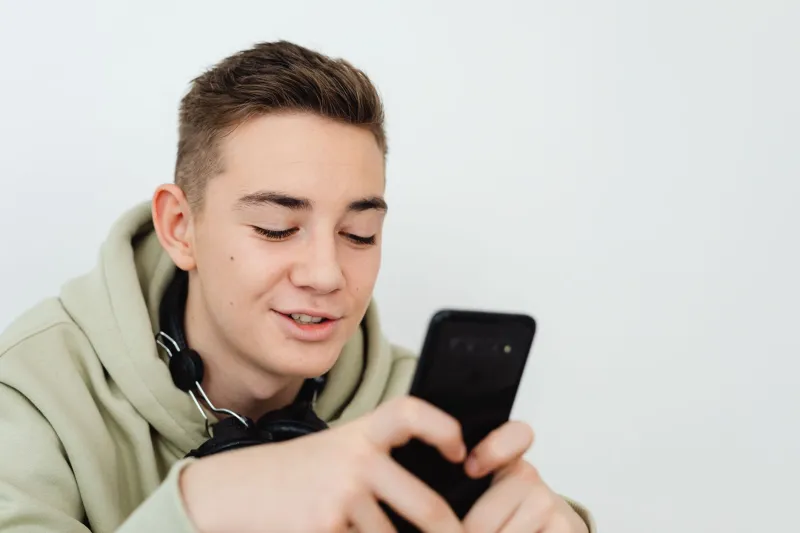
Picture this: a 24-year-old graphic designer in Austin, Texas, walks into a carrier store and asks for the cheapest, most basic phone on the shelf. No apps. No social media. Barely a camera worth mentioning. The sales rep looks at her like she just asked to pay for groceries with a check. But she's not confused — she's completely, deliberately done with her smartphone.
This is happening more than you'd think. Across the US, a quietly growing counterculture movement is pushing young people to trade in their glass-and-aluminum supercomputers for devices that, frankly, your grandma probably retired a decade ago. And the wild part? They're doing it on purpose.
The Screen Fatigue Nobody Wants to Admit
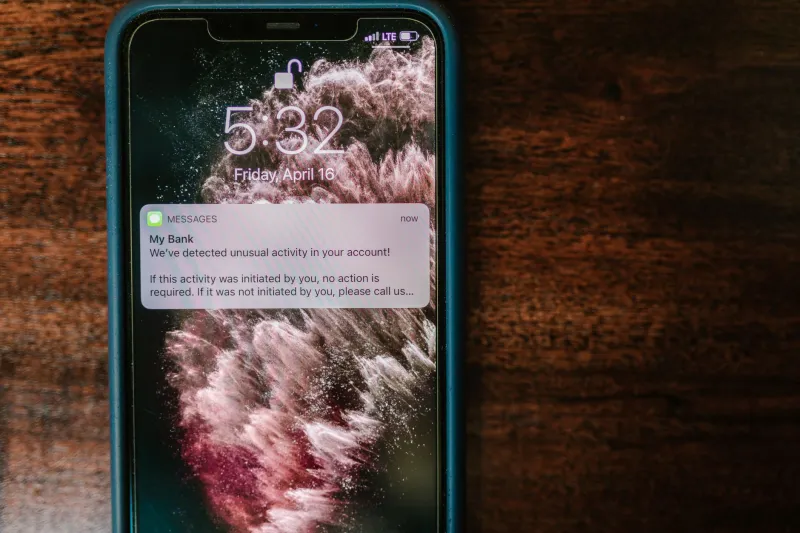
Here's the thing about smartphones in 2024 — they're incredible, and they're exhausting. The average American spends somewhere between four and seven hours a day staring at their phone screen, and a big chunk of that time isn't productive, meaningful, or even particularly enjoyable. It's just... happening. You pick up the phone to check the weather and resurface forty-five minutes later having watched three arguments on X, scrolled through someone's vacation photos, and somehow ended up reading about a niche controversy in the competitive dog grooming world.
For a lot of younger Americans, the realization that their phone is basically a slot machine they carry everywhere has stopped being a funny observation and started feeling like an actual problem. The mental load of constant connectivity — the pings, the notifications, the ambient awareness that the internet is always there waiting — is wearing people down in ways that are hard to articulate but impossible to ignore.
Enter the dumb phone.
What Even Is a Dumb Phone in 2024?
When people talk about downgrading, they're usually referring to one of a few categories. There's the classic flip phone revival — brands like the Nokia 2780 Flip or the Alcatel Go Flip, which do calls, texts, and maybe a basic camera. There's also a newer wave of intentionally minimalist devices like the Light Phone II, which is designed by a Brooklyn-based startup specifically for people who want to exist in the world without being constantly reachable by every app that's ever asked for your email address.
The Light Phone, in particular, has become something of a cult object. It's sleek, it's matte, it costs a couple hundred dollars, and it does almost nothing — calls, texts, a simple podcast player, navigation if you're desperate. That's it. And people are paying for it enthusiastically.
Sales of so-called feature phones have been ticking upward in the US market for a couple of years now, which sounds like a small blip until you realize this is happening at the same time smartphone manufacturers are releasing $1,200 devices with AI assistants baked into every corner.
The Psychology Behind Going Backwards
There's something almost countercultural about the whole thing, and that's not lost on the people doing it. For a generation that grew up being told that more technology equals better living, choosing less feels like a genuine act of rebellion. It's the digital equivalent of canceling all your streaming services and buying a record player.
Psychologists who study tech behavior have been talking for years about the dopamine loop problem — the way apps are engineered to keep you coming back, to make you feel vaguely anxious when you step away. Choosing a phone that literally cannot run Instagram isn't just a lifestyle preference. For a lot of people, it's the only way to actually break the loop, because willpower alone turns out to be a pretty unreliable tool when the thing you're trying to resist is specifically designed to defeat it.
There's also a social dimension that doesn't get discussed enough. Being unreachable — truly, structurally unreachable, not just in a 'do not disturb mode that you'll turn off in an hour' way — has started to feel like a luxury. Like having a vacation home or a long lunch. It signals that you have enough control over your own time that you don't need to be available to everyone, always.
The 'Digital Detox' Industry Is Cashing In
Of course, wherever there's a cultural anxiety, there's a market forming around it. The digital wellness space has exploded over the last few years, with apps (somewhat ironically), retreats, coaching programs, and entire books dedicated to helping people use their phones less. There are camps in the Pacific Northwest where you surrender your device at the gate. There are therapists who specialize specifically in screen dependency.
The dumb phone movement fits neatly into this broader ecosystem, but it's a little more radical than most of the industry's offerings. It's not about setting screen time limits or turning your phone grayscale — it's about removing the temptation entirely. You can't doomscroll on a Nokia 2780 because there's nothing to scroll.
Some people treat the dumb phone as a permanent switch. Others use it as a kind of reset — going dumb for a month, then returning to their smartphone with (they hope) a healthier relationship. Either way, the market for these devices is real, and it's growing.
What This Means for Big Tech
Here's where it gets interesting from a business perspective. The entire economic model of companies like Meta, Google, and TikTok depends on attention. Specifically, it depends on your attention being available for sale to advertisers, which requires you to be on your phone, using their apps, as much as humanly possible.
A meaningful chunk of their most valuable demographic — young, urban, trend-setting Americans — deciding to simply not participate in that system is not great news. It's not an existential threat yet, but it's a signal. And tech companies are smart enough to read signals.
You've already seen some of this reflected in how platforms talk about themselves. The sudden interest in 'digital wellbeing' features, the screen time dashboards, the ability to set app limits — none of that came from genuine corporate altruism. It came from companies trying to get ahead of a narrative before the narrative got ahead of them.
The Flip Side (Pun Intended)
To be fair, the dumb phone life isn't all freedom and clarity. People who make the switch pretty consistently report the same friction points: no mobile boarding passes, no two-factor authentication apps, no Google Maps when you're lost in an unfamiliar city, no way to pay with your phone at the coffee shop that doesn't take cards anymore. The modern American infrastructure has been quietly rebuilt around the assumption that everyone has a smartphone, and opting out has real, practical costs.
There's also a class dimension worth acknowledging. The Light Phone II costs $299. For a lot of Americans, the smartphone isn't a source of distraction to be escaped — it's a primary tool for work, banking, healthcare access, and staying connected with family. The luxury of 'going dumb' is, in some ways, a luxury.
Still, for the people who can make it work, the appeal is obvious. Less noise. More presence. A phone that is, genuinely, just a phone.
Whether that's the future or just a very niche present is still an open question. But it's a pretty fascinating one.